Credit Card Icon
Bixinta biilka khadka tooska ah
Calendar Icon
Ballanso Hadda
Filed Paper Icon
bogga bukaanka
Doctor Icon
Dhakhaatiirta
Phone Icon
(763) 416-7600

Cornea

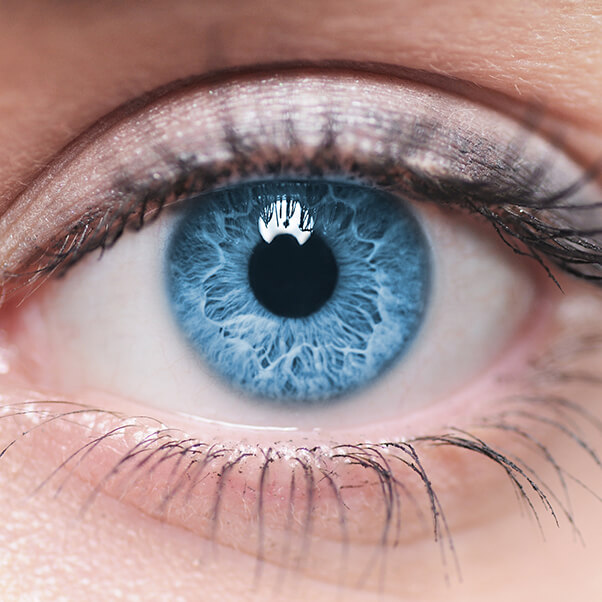
Closeup of a Cornea

What is the Cornea?

Noqo Mid Indhaha Caqli Badan and understand what the cornea is. The cornea is a transparent dome-shaped layer at the very front of the eye. It covers the pupil and the colored iris. Usually, there is a balance between the fluid moving into the cornea and fluid pumping out of the cornea.

What is the Function of the Cornea within the Eye?

  • It focuses light on the eye’s lens. The lens refocuses that light onto the retina, which starts the process of changing light into vision.
  • The cornea also filters damaging UV light from the sun.
  • This outer layer of tissue shields the eye from germs and bacteria.

What Are Some Common Cornea Problems that Northwest Eye Can Treat?

Your eye specialists at Northwest Eye have experience in caring for many corneal diseases and conditions, including:

  • Cudurka indhaha (conjunctivitis)
  • Xabagta Corneal
  • Corneal Ectasia
  • Indho Qalalan
  • Fuch’s Dystrophy
  • Keratokonus

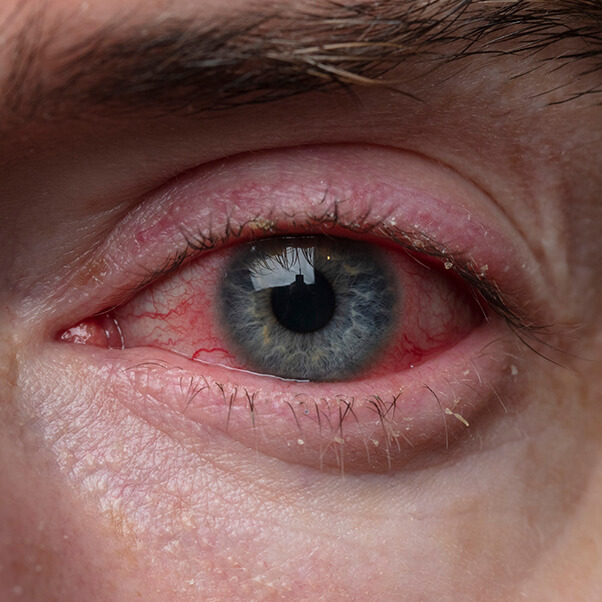
Closeup of an Eye With Conjunctivitis

What is Conjunctivitis?

Conjunctivitis is a common eye condition that affects millions of people each year. Many people refer to it as “pink eye” because the inflammation makes blood vessels more visible and gives the eye a reddish appearance.

Some forms of conjunctivitis can be highly contagious and can recur or infect others without proper infection control practices.

Conjunctivitis can be caused by:

  • Bacterial or viral infections
  • Xasaasiyadda
  • Exposure to strong cleaning and chemical fumes
Symptoms can vary depending on the cause of conjunctivitis. In addition to reddish eyes, symptoms can include:

  • Itchy or burning eyes
  • Feeling that there is something in the eye
  • Indho biyo leh
  • Xasaasiyadda iftiinka
  • Blurry vision
  • Mucus or yellow discharge from the eye
  • Xanuunka indhaha

It’s essential to see a Northwest Eye specialist and determine what type of conjunctivitis you have and how you can treat it. If it is viral or bacterial, you will need to take careful precautions to avoid infecting others.

  • If you have viral conjunctivitis, symptoms can be relieved with clean, cool washcloths on the eye. Your body will heal the infection.
  • If it’s a case of bacterial conjunctivitis, your doctor may prescribe antibiotic eye drops.
  • If it’s allergic conjunctivitis, certain eye drops may relieve the itchiness and puffiness.
  • With chemical conjunctivitis, treatment usually involves rinsing the substance out of the eye, followed by eye drops or ointments.

Corneal Abrasion

What is a Corneal Abrasion?

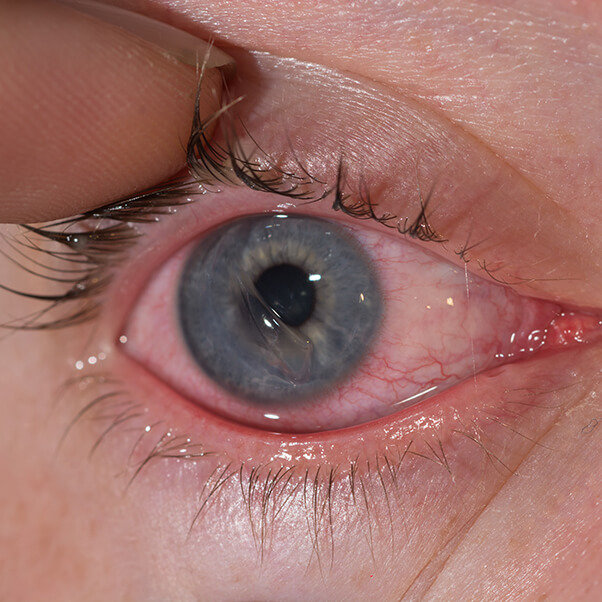
A corneal abrasion is a scratch or scrape on the surface of the cornea.
  • Eye pain, which may be intense
  • A feeling that there is something in your eye
  • Excessive eye watering or tearing
  • Eye redness
  • Xasaasiyadda iftiinka
  • Blurred, hazy vision or loss of vision
  • Accidental impact to the eye, often from fingernails, makeup brushes, or tree branches
  • Foreign matter such as dirt, sawdust, ash, etc. blowing into the eye
  • Improperly fitted or poorly maintained contact lenses
  • Rubbing the eyes too vigorously, especially if you feel like something got caught in your eye
  • Trachoma, a bacterial eye infection

Minor corneal abrasions will usually heal on their own in a few days. In some cases, your eye doctor may recommend eye patching, moisturizing eye drops or ointment, antibiotic eye drops, or steroid eye drops to reduce inflammation and lessen the chance of scarring.

Your Northwest Eye doctor will recommend the best course of action to treat your corneal abrasion.


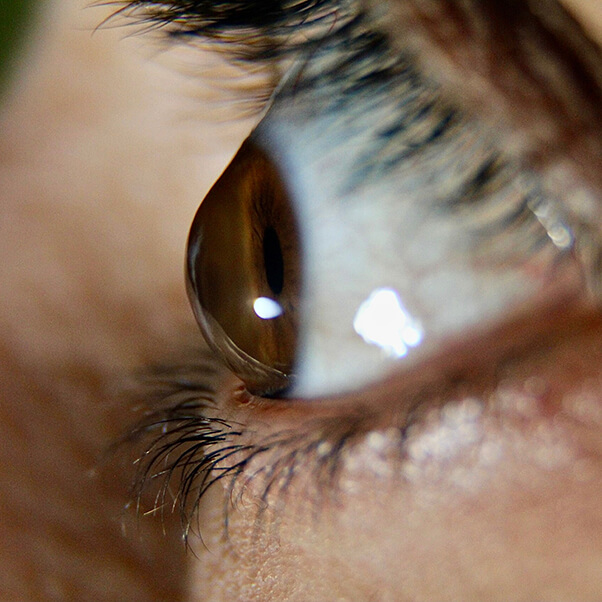
Closeup of an Eye With Keratoconus

What is Keratoconus?

Keratoconus is a progressive condition in which the cornea gradually thins and develops an abnormal curvature resembling a cone. The primary symptoms are blurry or double vision, difficulty with distance vision, and light sensitivity.

Keratoconus usually affects both eyes. It can cause permanent vision damage if left untreated.

Daawo Muuqaalka

Your Northwest Eye doctor may use recommend specially fitted contact lenses to correct the corneal distortion caused by keratoconus.

For more severe cases, your ophthalmologist may recommend a procedure called Corneal Collagen Cross-Linking to halt the progression of Keratoconus.


What is Corneal Cross-Linking?

Corneal Cross-Linking is an in-office procedure that Dr. John Berestka performs at Northwest Eye to treat both keratoconus and post-LASIK corneal ectasia. It increases the rigidness of the cornea’s surface by inducing additional cross-links between collagen fibers.

Because numbing eye drops are used, it is painless and only takes about an hour. The surgeon gently removes the cornea’s epithelial layer and then applies riboflavin (B2) eye drops to the surface of the eye.

Controlled ultraviolet light is then used to treat the eye. After the treatment, your eye doctor will apply a special contact lens called a bandage contact to protect the eye and prescribe antibiotic and anti-inflammatory eye drops.

Corneal Cross-Linking aims to stop the cornea from getting thinner, weaker, and more irregular in shape. It is highly effective in slowing disease progression and stabilizing existing vision.

However, it is crucial to understand that this treatment is not a cure. Corneal Cross-Linking cannot make your cornea a normal shape again.


Fuchs’ dystrophy is a slowly progressing disease of the cornea that causes vision deterioration over time. Symptoms usually appear in people ages 50-60 and affect both eyes.

Fuchs’ dystrophy causes the endothelial cells that make up the cornea’s inner layer to stop working. The cells stop processing water properly, and fluid starts to build up in the eye.

As corneal tissue gradually thickens, the cornea becomes swollen and cloudy and loses its crystal-clear transparency.

The causes of Fuchs’ dystrophy are not known, but it does seem to run in families, suggesting a genetic component.

  • Hazy or cloudy vision
  • Fluctuations in blurry vision, especially in the early morning
  • Xasaasiyadda iftiinka
  • Glare and halos around particular objects (especially light sources)
  • Reduced ability to discern contrast
  • Xanuunka indhaha

Unfortunately, there is no cure for Fuchs’ dystrophy currently. There are prescription ointments, drops, or bandage contact lenses that can reduce corneal swelling and relieve symptoms and pain.

In very advanced cases, your eye doctor may recommend a corneal transplant.

Put your trust in our Northwest Eye ophthalmologists, who have the experience and skills to treat your corneal disease or condition. Our corneal specialists are experts in modern partial thickness transplants such as DMEK and DSEK. Noqo Mid Indhaha Caqli Badan and call for an appointment today.


goobaha

U adeegidda Bulshadeena

Iyada oo lix goobood ku leh aagga magaalooyinka Twin Cities, Northwest Eye waxay ka mid tahay bixiyeyaasha daryeelka indhaha ee ugu waaweyn Midwest. Noqo Mid Indhaha Caqli Badan oo maanta ballanso baaritaan guud oo indhaha ah ama la-talin adeeg gaar ah. Waxaan ku leenahay xafiisyada soo socda ee indhaha: Golden Valley, Minnetonka, Maple Grove, St. Anthony, iyo Wayzata, MN.

8501 Golden Valley Rd.,
Qolka 100 iyo 200
Dooxada Dahabka ah, MN 55427
Macluumaad Dheeraad ah oo ku saabsan Dooxada Dahabka ah
12000 Elm Creek Blvd N., Suite 100
Maple Grove, MN 55369
Macluumaad Dheeraad ah oo ku saabsan Maple Grove
2601 39th Ave NE., Qolka 1
St. Anthony, MN 55421
Macluumaad Dheeraad ah oo ku saabsan St. Anthony
250 Central Ave N Suites 105 & 107
Wayzata, MN 55391

Goob Cusub (Furitaanka 10/27):
1903 E. Wayzata Blvd., Qolka 110
Wayzata, MN

Macluumaad Dheeraad ah oo ku saabsan Wayzata
7125 Tamarack Rd, Suite 150,
Woodbury, MN 55125
Macluumaad Dheeraad ah oo ku saabsan Woodbury
10709 Wayzata Blvd., Qolalka 100 iyo 120
Minnetonka, MN 55305
Macluumaad Dheeraad ah oo ku saabsan Xarunta Qalliinka ee Minnetonka