





What is Neuro-Ophthalmology?
Be Eye Wise and understand the connection between your eyes and your nervous system. Neuro-ophthalmology is a specialized field that focuses on vision problems caused by the brain, nerves, or pathways that connect your eyes to your brain. Think of your eyes as cameras—sometimes the camera itself is fine, but the “computer system,” the wiring, or the processing that interprets what the camera sees may need expert evaluation.
Neuro-ophthalmologists are trained to examine both the eyes and the intricate network of nerves and brain connections that control eye movement, vision, and visual processing.
What is Neuro-Ophthalmology?
Be Eye Wise and understand the connection between your eyes and your nervous system. Neuro-ophthalmology is a specialized field that focuses on vision problems caused by the brain, nerves, or pathways that connect your eyes to your brain. Think of your eyes as cameras—sometimes the camera itself is fine, but the “computer system,” the wiring, or the processing that interprets what the camera sees may need expert evaluation.
Neuro-ophthalmologists are trained to examine both the eyes and the intricate network of nerves and brain connections that control eye movement, vision, and visual processing.
What is the Function of Neuro-Ophthalmology in Eye Care?
Neuro-ophthalmologists at Northwest Eye Clinic help diagnose and treat conditions where vision issues may not originate in the eye itself but in the nervous system. Our specialist:
- Evaluate unexplained vision loss or changes in vision
- Diagnose and treat double vision or eye movement disorders
- Manage conditions affecting the optic nerve, which connects the eye to the brain
- Investigate headaches or neurological symptoms that impact vision
What Are Some Common Conditions Treated by Our Specialist
At Northwest Eye Clinic, our specialist evaluates and treats a wide range of neuro-ophthalmic disorders, including:
- Double vision (diplopia) – when the eyes do not align properly, causing overlapping or doubled images.
- Strabismus (eye misalignment) – including adult-onset and complex cases that affect vision and eye coordination.
- Optic nerve disorders – conditions that affect the nerve connecting your eyes to your brain, which can impact vision.
- Giant cell arteritis – an inflammatory condition that can threaten vision if untreated.
- Idiopathic intracranial hypertension (pseudotumor cerebri) – elevated pressure around the brain that affects eyesight.
- Vision loss of unclear cause – when vision changes cannot be explained by routine eye exams alone, requiring specialized evaluation.
Our specialist takes a comprehensive approach, examining both the eyes and the brain’s pathways and nerves to uncover the source of vision problems and create individualized treatment plans.
What to Expect During a Neuro-Ophthalmology Visit
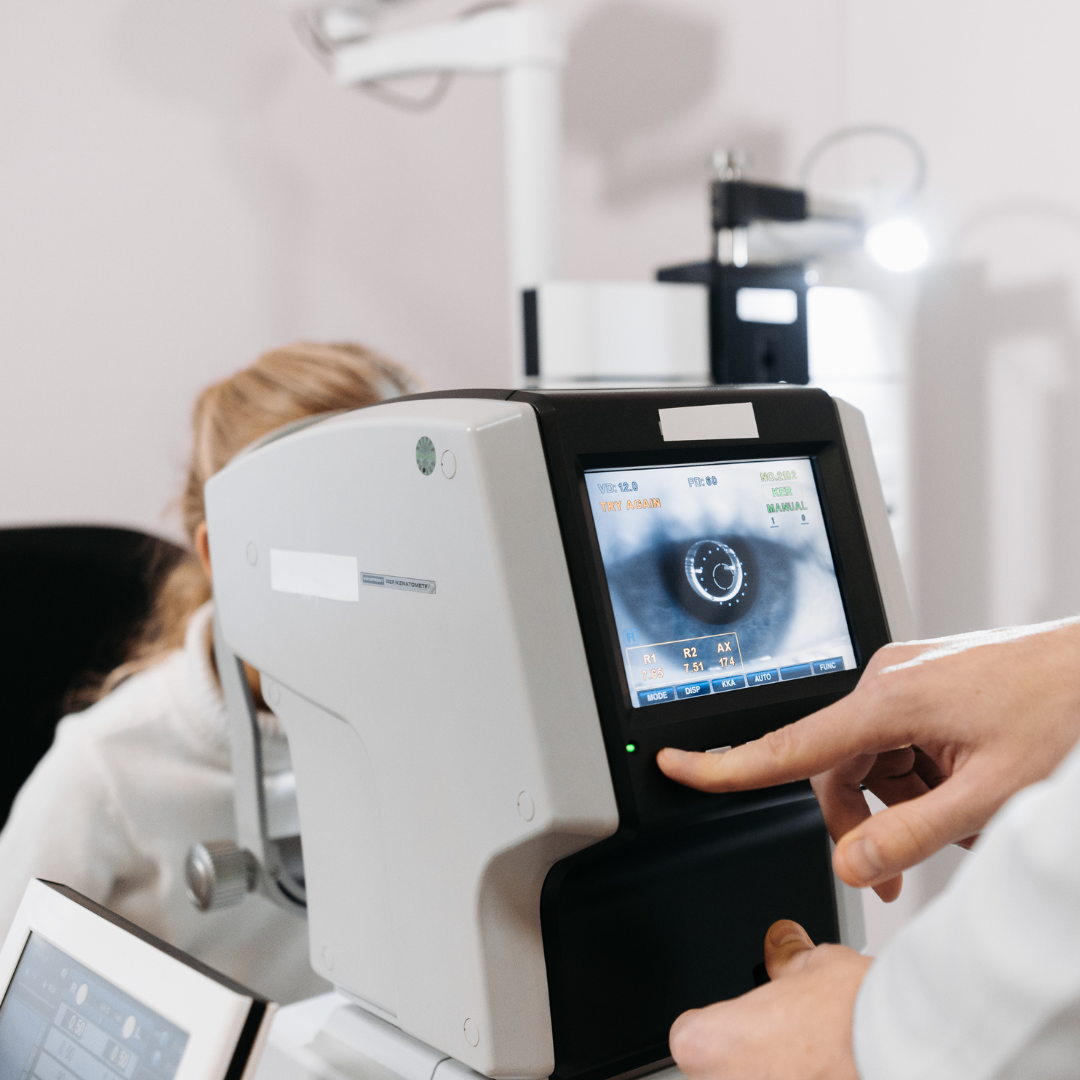
During your appointment at our Minnetonka (Crosstown) location, your doctor will perform a detailed evaluation of your eyes and visual system. This may include:
- Thorough eye examination and visual field testing
- Imaging or scans to evaluate optic nerves and brain pathways
- Assessment of eye movement, pupil function, and neurological reflexes
- Personalized treatment plans, including medications, vision therapy, or collaboration with neurologists and other specialists
Why Choose Northwest Eye Clinic for Neuro-Ophthalmology?
Our Neuro-Ophthalmology team combines advanced expertise with patient-centered care. We take the time to explain complex conditions in plain language, helping you understand not just what is happening with your eyes, but how it connects to the broader nervous system.
Be Eye Wise and contact us at our Minnetonka (Crosstown) location to discuss your neuro-ophthalmology needs.






