




Posted by: Northwest Eye in lasik eye care on October 28, 2026
Start with the decision, not a promise of candidacy
Choosing whether to explore LASIK in Minnesota starts with a question, not a conclusion: could a professional evaluation help you understand your available vision-correction options? A comprehensive consultation and diagnostic evaluation can be used to assess those options, but that process does not create an individualized answer before your eyes, health history, goals, and alternatives have been discussed. If you are considering LASIK with us, an appointment request can begin that conversation without requiring you to decide on a procedure in advance.
That distinction matters because interest in clearer vision is different from medical suitability. You may be tired of managing glasses or contacts, curious about whether a procedure fits your routines, or simply trying to understand what choices exist. Those concerns can shape the questions you bring, but they do not determine whether LASIK is appropriate for you. A consultation can provide a setting in which to examine the decision with an eye-care professional.
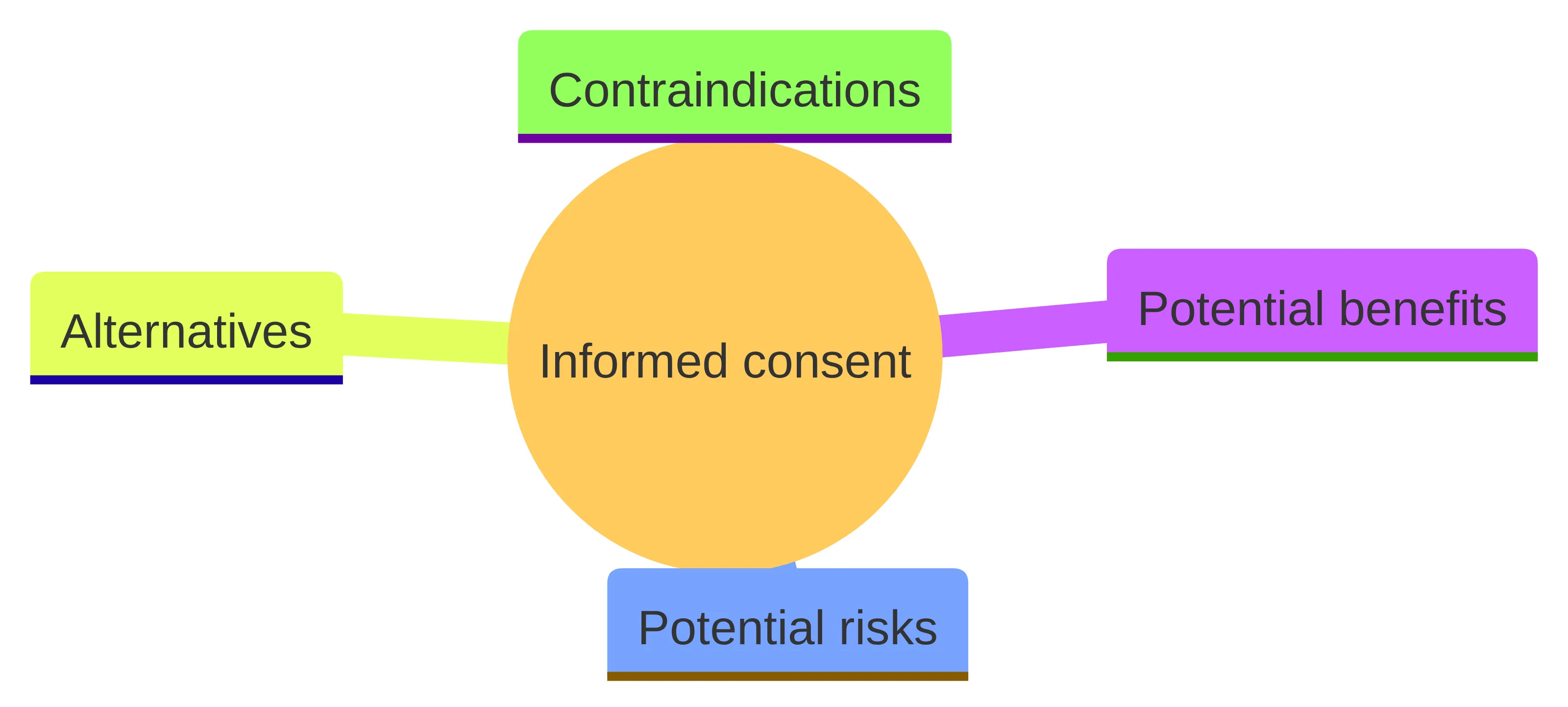
A LASIK decision should include more than a discussion of potential benefits. Informed consent should address alternatives, contraindications, potential benefits, and potential risks, and the explanation should be comprehensive and balanced before you choose to proceed.
Begin with three practical questions:
- What visual goals would you like to discuss?
- What health or eye factors could affect the options available to you?
- What benefits, risks, alternatives, and costs should you compare before deciding?
The rest of this guide turns those questions into a consultation plan. It cannot determine your candidacy, but it can help you arrive prepared to have a more useful discussion.
What LASIK eye care is intended to help you consider
LASIK is a form of vision-correction surgery that you can evaluate alongside other available approaches. The practical question is not whether the procedure sounds appealing in the abstract. The practical question is whether a professional assessment supports considering it in light of your visual needs, health information, and personal priorities.
A consultation should therefore help you understand the decision in context. You can ask what the procedure is intended to address, which alternatives belong in the discussion, and what potential benefits and risks apply to the options under consideration. The purpose is not to turn a general description into a personal recommendation. It is to give you enough structured information to decide whether you want to continue evaluating a particular path.
Keep the service description separate from the outcome you hope for. LASIK may be part of a vision-correction discussion, but a general description cannot tell you what visual result you would experience or whether the procedure belongs among your suitable options. Bring your goals to the consultation and ask how the professional assessment relates to them.
Two boundaries keep this decision grounded. A diagnostic evaluation is used to assess available vision-correction options; it is not a substitute for that assessment. Informed consent should include alternatives and contraindications as well as potential benefits and risks. Those boundaries keep the decision grounded in your circumstances rather than in a general promise.
You can make the conversation more specific by describing the situations that matter to you. Explain which visual tasks you want to discuss, how you currently manage them, and what you hope a procedure might change. A clear goal does not establish candidacy, but it gives the eye-care professional a meaningful basis for explaining which questions require closer evaluation.
Before you request an evaluation, decide what you want the visit to clarify. You might need a general explanation of the procedure, a comparison with other suitable options, or help understanding how your health history enters the discussion. Naming that purpose can make the appointment easier to use without turning your starting questions into a self-diagnosis.
What a LASIK evaluation is designed to explore
A LASIK evaluation is designed to use consultation and diagnostic evaluation to assess your available vision-correction options. That purpose is narrower and more useful than asking for an immediate yes-or-no answer. The evaluation should connect your stated goals with the professional assessment of the options that may be considered.
You can think of the visit as an organized conversation around several questions:
- What are your vision goals and daily-life priorities?
- Which options are suitable to discuss after the evaluation?
- What benefits, risks, and costs belong in the comparison?
- What information would you need before making a decision?
This framework helps you separate information gathering from decision-making. You may leave with a clearer understanding of what requires further discussion, an option to compare, or a reason to pause. None of those outcomes should be assumed before the evaluation.
The visit can also help separate three kinds of information:
- Your priorities: the visual situations and daily activities you want to address.
- The evaluation: the professional assessment used to examine the options available to you.
- The decision: your choice after you understand the relevant benefits, risks, alternatives, and costs.
Keeping those categories distinct prevents a personal preference from being mistaken for a medical conclusion. It also gives you a clear way to ask what has been established, what still needs discussion, and what decision remains yours to make.
A professional assessment should also make room for personal health information, corneal health, possible side effects, alternatives, and contraindications. Conditions such as diabetes or autoimmune disorders can influence eligibility for vision-correction surgery, while corneal health is an aspect of candidacy to discuss with an eye-care professional. Possible side effects, including dry-eye symptoms and nighttime vision problems, should also be addressed during a LASIK consultation.
These topics show why an online description cannot decide the question for you. A symptom, diagnosis, or concern may be relevant without serving as a final answer. Bring the information you know, ask how it affects the options being considered, and let the evaluation determine which points need professional attention.
An evaluation is therefore a starting point for a more informed choice, not a promise that one procedure will follow. Ask what the findings mean for the options under discussion and what additional information you need before deciding. If an issue changes the conversation, give that issue space rather than trying to work around it.
Bring your health history and corneal questions to the conversation
Your medical history belongs in a LASIK candidacy discussion because conditions such as diabetes or autoimmune disorders can influence eligibility for vision-correction surgery. That statement is a reason to disclose relevant health information, not a conclusion about what you can or cannot do. Only an eye-care professional evaluating your circumstances can explain how a condition affects the options under consideration.
Before the consultation, organize the health information you already know so you can describe it clearly. You can also prepare a direct question: “Could any part of my medical history influence the vision-correction options we discuss?” The question keeps the conversation focused on how your circumstances affect the decision without asking you to diagnose yourself or predict the result.
Include information that may help you describe your situation accurately, such as conditions you manage, questions about your general eye health, and concerns you want addressed. You do not need to interpret that information before the appointment. Your task is to bring it into the conversation; the professional assessment determines how it relates to the options being considered.
Corneal health is another aspect of LASIK candidacy to discuss with an eye-care professional. Possible dry-eye symptoms and nighttime vision problems should also be addressed during the consultation. These subjects are not reasons for you to make an eligibility decision on your own; they are prompts for a careful professional conversation.
Use the following preparation list:
- Write down eye symptoms you want to describe, including dry-eye symptoms or nighttime vision problems.
- Ask what the evaluation will examine about your corneal health.
- Ask how any relevant finding could affect the options under consideration.
- Ask which concerns require additional discussion before you decide.
The list gives you a place to record questions and responses. It does not predict the outcome of an evaluation, and it should not replace one.
If you are unsure whether a concern belongs in the discussion, bring it up rather than filtering it out yourself. A short, specific description of what you notice can help the professional decide what needs further attention. Keep the focus on accurate information and clear questions.
Make the decision through balanced informed consent
Informed consent for LASIK should cover alternatives, contraindications, potential benefits, and potential risks. A balanced explanation should come before you elect to proceed, so the decision is based on a comprehensive understanding rather than on one attractive feature of the procedure.
You can use that standard to organize the conversation. Ask for the potential benefit being considered, then ask what risks and limitations belong beside it. Ask which alternatives are relevant and whether any contraindication changes the discussion. If a term is unfamiliar, ask for an explanation in plain language before treating it as part of your decision.
A benefit is not a complete decision by itself. The same is true of a risk mentioned without context. The useful goal is a full comparison that lets you understand what you are choosing, what other options should be considered, and what questions remain.
Cost is another comparison point when suitable options are being considered. Professional guidance can help you compare suitable options by their benefits, risks, and costs, rather than letting cost stand alone as the deciding factor. Ask which costs belong in the comparison and how they relate to the options discussed.
A balanced consent conversation can be built around four headings:
- Potential benefits: What visual goal is the procedure being considered to address?
- Potential risks: Which risks are relevant to the procedure and to your circumstances?
- Alternatives: What other suitable options should you compare?
- Contraindications: Are there findings or conditions that change whether the procedure should be considered?
These headings do not supply answers in advance. They help you notice whether the conversation covers the full decision rather than stopping after a description of possible benefits. A comprehensive, non-biased overview should come before you elect to proceed, so you can ask for that breadth directly.
Take time to understand each part before making a choice. If the discussion leaves a material question unanswered, keep that question open rather than treating uncertainty as approval.
Match the option to your vision goals and daily life
Your lifestyle and vision goals belong in the decision because discussing them can help determine whether the procedure considered aligns with your needs. Describe the activities and visual situations you want to address, then ask how those priorities fit with the options being evaluated. Personal goals do not establish medical suitability, but they make the consultation more relevant to the life you want to lead.
Try to be concrete. You might describe the visual tasks you perform most often, the situations that prompt you to seek information, or the priorities that would influence your choice. You do not need to turn those priorities into a self-diagnosis. Your role is to explain what matters; the professional role is to assess the available options and discuss how they relate to your circumstances.
Your priorities may also help you identify what a useful comparison needs to address. Explain which trade-offs matter to you, which questions feel unresolved, and what you would need to understand before choosing. The discussion can then stay connected to your daily life without treating your preferences as proof that a particular procedure is suitable.
With professional guidance, compare suitable options by considering their benefits, risks, and costs before deciding. This approach gives you shared criteria rather than asking you to choose from a single appealing description. It also keeps cost in the same conversation as medical suitability and potential benefits, rather than treating price as the only deciding factor.
Use this four-part comparison:
- Fit: How does each suitable option relate to your stated vision goals?
- Benefits: What potential benefit is being considered?
- Risks: What potential risks should you understand?
- Costs: What costs should be included in the decision?
The comparison applies only to options that a professional considers suitable to discuss in your circumstances. Do not assume that every vision-correction option belongs on your personal list before the evaluation.
Write down the comparison criteria before the consultation if that helps you stay organized. After the discussion, use the same criteria for each option that remains suitable to consider. This gives you a consistent way to review the conversation without turning a general checklist into an individualized recommendation.
Topics to raise during the consultation
A consultation question list can keep the discussion centered on your goals, health information, and decision criteria. Use these questions as prompts, and leave room for the professional to explain what applies to your circumstances:
- What is the diagnostic evaluation intended to assess?
- Which vision-correction options are available to discuss after the evaluation?
- How should I describe my lifestyle and vision goals so they are part of the decision?
- Could conditions such as diabetes or autoimmune disorders influence the options considered?
- What should I understand about my corneal health?
- Which possible side effects, including dry-eye symptoms or nighttime vision problems, should we discuss?
- What alternatives and contraindications belong in informed consent?
- What potential benefits and risks should I compare?
- Which costs should I include when comparing suitable options?
The questions cover evaluation, medical history, corneal health, side effects, informed consent, goals, and comparison. They are a preparation tool, not a substitute for the answers you receive from an eye-care professional.
You can divide the list into questions to ask before a decision and questions to revisit afterward. That keeps the conversation manageable while preserving topics that need more explanation. Mark each question as answered, partly answered, or still open so you know what to clarify before choosing.
Bring the list to the conversation and use it to mark what you understand, what needs clarification, and what requires a later decision. Start with your goals, then move through suitability questions, alternatives, benefits, risks, and costs. That order helps you connect personal priorities with the professional assessment instead of discussing them as unrelated topics.
A useful consultation does not need to end with an immediate commitment. You can ask what information you should consider next, which options remain suitable to compare, and whether any question needs more explanation. A comprehensive consultation, professional comparison, and informed choice give you a way to pace the decision. Let those steps guide the pace of your decision.
After the appointment, review the points you recorded rather than relying on one memorable statement. Separate what you learned about the procedure from what the professional said about your circumstances. If a material question remains unanswered, keep it open until you have the explanation needed to make an informed choice.
Request a LASIK evaluation with Northwest Eye
A Minnesota LASIK decision should begin with an evaluation, not an assumption of candidacy. Use the consultation to explain your vision goals, discuss your medical history and corneal health, address possible side effects, and compare suitable options through benefits, risks, alternatives, and costs. That preparation gives you a clearer basis for deciding what to do next without promising a particular result.
Individual suitability and medical recommendations require evaluation by an eye-care professional.
What should you ask before requesting a LASIK evaluation?
How can I prepare for my LASIK consultation?
To prepare for your LASIK consultation, organize your medical history, including any conditions like diabetes or autoimmune disorders. Write down any eye symptoms you want to discuss, such as dry-eye symptoms or nighttime vision problems, and prepare questions about how these factors may influence your LASIK options.
What lifestyle factors should I consider when evaluating LASIK?
Consider how your daily activities and visual goals align with the potential outcomes of LASIK. Discuss specific visual tasks you want to improve and how they relate to the options being evaluated during your consultation.
How do I know if LASIK is right for me?
Determining if LASIK is right for you requires a professional evaluation that considers your eye health, medical history, and personal vision goals. The consultation will help clarify whether LASIK or another vision correction option is suitable for your needs.
What steps should I take after my LASIK evaluation?
After your LASIK evaluation, review the information provided about your options, including benefits, risks, and costs. If you have further questions or need clarification, don’t hesitate to ask your eye-care professional before making a decision.